Be On The Lookout For: How Downpipes Is Taking Over And What To Do About It
An In-Depth Look at Downpipes: Importance, Types, and Maintenance
Downpipes are vital parts of a structure's drainage system. They play a key function in managing rainwater overflow, making sure appropriate drainage, and keeping the structural stability of a home. This short article intends to provide a detailed summary of downpipes, including their types, installation, maintenance, and typical FAQs.
What are Downpipes?
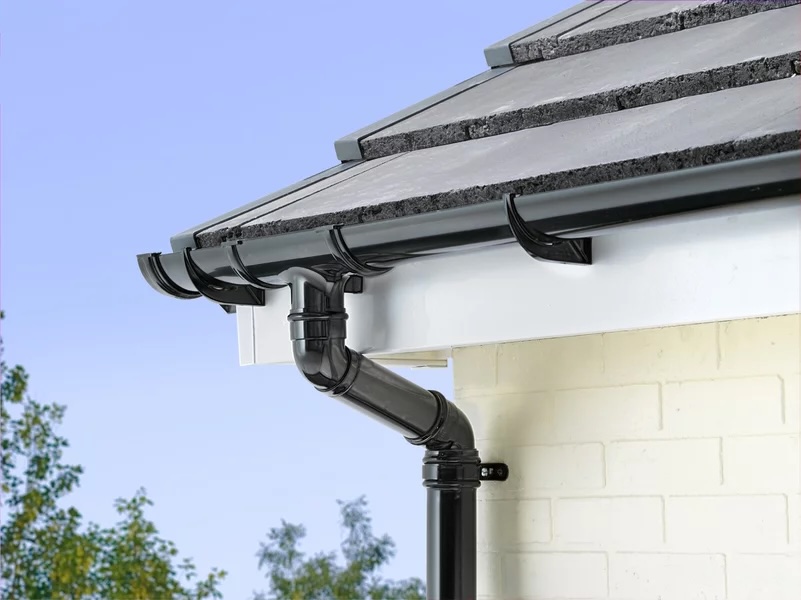
Downpipes, likewise called downspouts, are vertical pipelines that direct rainwater from the roof to the ground or drainage system. They link to the gutters, which gather rainwater from the roof's surface, directing the water away from the structure's foundation. Correctly installed and kept downpipes avoid water damage, erosion, and other issues that can emerge from poor drainage.
Significance of Downpipes
Water Management: Downpipes guarantee that rainwater is directed far from the structure, avoiding pooling and possible water damage to walls and foundations.
Structural Integrity: By helping with appropriate drainage, downpipes assistance preserve the structural stability of a building, reducing the danger of cracks and other kinds of damage triggered by water infiltration.
Avoiding Erosion: Downpipes aid in preventing erosion around a residential or commercial property, which can lead to landscaping damage and jeopardized foundation stability.
Health Protection: Effective water management minimizes the danger of mold and mildew, which thrive in damp conditions and can impact indoor air quality and health.
Types of Downpipes
Downpipes can be found in numerous materials and designs, each suitable for different applications and visual appeals. Below are some common types of downpipes:
Type
Product
Benefits
Disadvantages
PVC Downpipes
Polyvinyl Chloride
Lightweight, simple to install, resistant to deterioration
Can become brittle with time, may not hold up against impact
Aluminium Downpipes
Aluminium
Long lasting, lightweight, rust-resistant
Can be more pricey than PVC, might dent quickly
Steel Downpipes
Galvanized or Stainless Steel
Strong and resilient, can hold up against heavy rains
Heavier, vulnerable to rust if not covered appropriately
Copper Downpipes
Copper
Aesthetic appeal, highly durable, resists deterioration
Pricey, needs professional installation
Aspects to Consider When Choosing Downpipes
Material: Choose a product that fits your budget plan and aesthetic preferences.
Size: Ensure the downpipe's size refers the gutter's capacity to ensure ideal circulation.
Environment: Consider local climate condition; for example, locations with heavy rains may need bigger or reinforced downpipes.
Building Design: The style of the building and roof pitch may influence the type and size of downpipes required.
Installation of Downpipes
Setting up downpipes needs careful planning to ensure that they efficiently bring water far from the roof and far from the structure of a building. Here's a step-by-step introduction of the installation process:
Installation Steps
Planning: Assess the roof style and determine the size and variety of downpipes required based on the area and slope.
Product Acquisition: Gather all required products and tools, including downpipes, ports, brackets, and sealant.
Positioning: Mark the locations where the downpipes will be set up, ensuring they align with the gutters and drain water away from the structure.
Cutting: Cut the downpipe to the needed length, making sure a snug fit into the gutters.
Repairing: Secure the downpipe with brackets, ensuring it is vertical and well-supported.
Sealing: Apply sealant around joints and connections to prevent leakages.
Evaluating: After the installation, test the downpipes by running water through the system to guarantee appropriate drainage.
Maintenance Tips for Downpipes
Regular maintenance of downpipes is crucial to guarantee their durability and efficiency. Below are some vital maintenance pointers:
Maintenance Checklist
Inspect Regularly: Check downpipes at least twice a year for blockages, wear, and tear.
Clear Debris: Remove leaves, dirt, and other particles from downpipes and gutters to prevent blockages.
Examine for Leaks: Inspect joints and seals for any signs of water leakages and re-seal if needed.
Display Connections: Ensure that downpipes are securely connected to gutters and the drainage system.
Professional Cleaning: Consider employing professionals to tidy or examine downpipes and gutters, specifically in regions with heavy foliage.
Frequently asked questions About Downpipes
1. How typically should downpipes be cleaned up?It is a good idea to clean downpipes and gutters a minimum of twice a year, ideally in spring and fall.
2. What are the signs that downpipes need maintenance?Try to find overflowing gutters, pooling water around the foundation, or visible leaks and deterioration.
3. Can I set up downpipes myself?While it is possible for DIY lovers to set up downpipes, it is suggested to employ a professional to make sure correct installation and compliance with local guidelines.
4. What products are best for downpipes in coastal locations?In seaside locations, corrosion-resistant products like PVC, aluminum, or stainless-steel are preferred to hold up against severe environmental conditions.
5. Can downpipes be painted?Yes, downpipes can be painted, but it is important to utilize paint that appropriates for the particular product to prevent damage and guarantee longevity.
Downpipes are vital for reliable rainwater management, safeguarding both the building and its environments. Understanding the various types, installation procedures, and maintenance requirements will make sure that property owners can make informed decisions about their structure's drainage system. By focusing on Professional Gutters and picking the appropriate products, homeowner can prolong the life of their drainage systems while securing their financial investments.